


Use números de peças, dimensões, dados de thread e detalhes da aplicação para verificar um elemento de filtro de substituição sem depender apenas de um número.
Introdução
Um número de parte de filtro é um ponto de partida importante quando um elemento de substituição é necessário, mas nem sempre é suficiente para confirmar uma correspondência segura. Os sistemas de numeração mudam, sufixos identificam diferentes versões, e filtros similares podem compartilhar um nome de família ao usar diferentes mídias, selos, dimensões ou classificações de pressão.
Um processo de referência cruzada responsável compara o número existente com o produto físico, a aplicação do equipamento e o desempenho necessário. Também documenta de onde veio a informação. Esta abordagem reduz o risco de encomendar um filtro que se encaixa na caixa, mas não protege o sistema.
Este guia explica como coletar as informações certas, como comparar um número de parte de filtro com uma possível substituição, e quando um desenho ou amostra física deve ser solicitado.
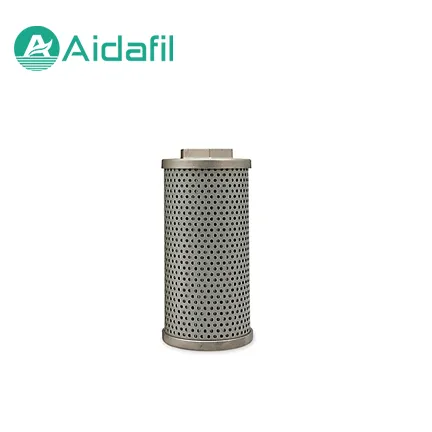
Que número de parte do filtro pode e não pode dizer
Um número de peça pode identificar uma família de produtos, um tamanho nominal, uma classificação de filtração, um estilo de conexão ou uma configuração interna. Em alguns casos, indica também a versão ou série de produção do fabricante. No entanto, o mesmo número pode ser escrito com diferentes prefixos, sufixos, espaços ou pontuação. Um número impresso num rótulo antigo pode referir-se a um item substituído.
Um número de peça sozinho geralmente não pode confirmar:
1.O arranjo exato da vedação
2.A especificação de mídia atual
3.A pressão de colapso do elemento
4.Os requisitos de fluxo e pressão da aplicação
5.Se uma substituição anterior alterou a configuração original
6. Se a carcaça do filtro em si foi modificada
Por estas razões, o cruzamento deve ser tratado como um processo de verificação e não como uma simples pesquisa de texto.
Coletar corretamente o número de parte existente
Grave o número exatamente como impresso, incluindo letras maiúsculas, hífens, cortes, pontos decimais e letras sufixas. Tire uma fotografia do rótulo, estampagem ou embalagem antes de limpar ou manusear o elemento. Se o número for difícil de ler, use mais de um ângulo de luz e não sobreponha a marcação original.
Verifique se o número aparece em mais de um lugar. Um rótulo pode mostrar um número de vendas enquanto o limite máximo mostra um número de produção. Observe ambos sem assumir qual é a referência primária.
Se o número estiver faltando, não invente um substituto baseado na aparência. Mover para verificação dimensional e aplicação.
Colete os dados físicos e operacionais
Um registo de referência cruzada fiável deverá incluir:
1.Original part number and any superseded number
2.Product photographs from several angles
3.Overall height, outside diameter, and inside diameter
4.Thread, connection, and sealing details
5.Filtration rating and whether it is nominal or absolute
6.Filter media type
7.Seal material
8.Flow rate and normal operating pressure
9.Maximum differential pressure or collapse requirement
10.Fluid type, viscosity, and temperature
11.Equipment model and filter location
If the filter is still installed, record the housing markings and the surrounding connection details. If the system has been modified, note the modification rather than assuming the original drawing still applies.
Understand the Difference Between a Part Number and a Cross-Reference
A part number identifies one manufacturer's item. A cross-reference is a relationship between that item and another product or reference number. A cross-reference can be useful, but it is only as reliable as the source and the data behind it.
A number may cross to several possible products because the original family had multiple configurations. One entry may match the dimensions but use a different media. Another may match the media but have a different seal. A proper comparison should show which attributes were confirmed and which remain uncertain.
Do not describe a product as an official, genuine, or authorized replacement unless that status is supported by the relevant manufacturer. For independent aftermarket products, use clear language such as compatible replacement option and confirm the final fitment through technical data.
A Practical Cross-Reference Workflow
Step 1: Normalize the Number
Remove only formatting that is clearly not part of the number, such as spaces added by a label printer. Keep suffixes and punctuation if they may carry meaning. Record the original form beside the normalized form.
Step 2: Search by Number and Variants
Check common variants, including a missing leading zero, a different separator, or a superseded suffix. Do not treat a search result as confirmation until the physical details agree.
Step 3: Compare Primary Dimensions
Compare height, outside diameter, inside diameter, and connection details. If any primary interface is different, stop and investigate before proposing a replacement.
Step 4: Compare Performance Data
Check filtration rating, media, flow capacity, pressure rating, temperature range, and seal compatibility. Confirm whether the existing application requires a specification that is not visible on the old element.
Step 5: Check the Installation Interface
Review seal contact surfaces, center-tube engagement, end-cap shape, bypass arrangement, and orientation. A filter can appear to fit while failing to seal or locate correctly.
Step 6: Document the Result
Record which attributes matched, which were obtained from a drawing, and which remain unverified. This is especially important when the customer needs a repeatable procurement reference.
Step 7: Confirm Before Ordering
Ask the supplier to state the basis of the cross-reference. If the information is incomplete, request a dimensional check or a sample review rather than relying on the number alone.
When a Drawing or Physical Sample Is Needed
A drawing or sample is often appropriate when the element is damaged, the marking is missing, the housing has been modified, or two products share similar dimensions. It is also useful for high-value equipment, critical hydraulic circuits, and applications where a filter failure could cause significant downtime.
A sample should be clean enough for safe handling and clearly labeled with the equipment model and operating issue. Do not send a contaminated element without following the applicable safety and shipping requirements.
Common Cross-Reference Mistakes
One common mistake is treating a web search result as an approved interchange. Another is ignoring a suffix because the main number appears to match. Teams also compare only the outside diameter and overlook the inside diameter, seal profile, or thread pitch.
A further risk is mixing a replacement into a system without confirming the required filtration rating. A filter that is physically compatible but has the wrong media or efficiency may allow particles to pass or may clog too quickly.
Finally, avoid using brand names in a way that suggests affiliation, authorization, or original-manufacturer approval. Use the reference number only to identify the item being compared.
Information to Send with an Inquiry
For a faster review, send:
11.The original part number and equipment model
12.Photos of the complete element and both ends
13.Height, outside diameter, and inside diameter
14.Thread and connection information
15.Filtration rating, media, and seal material if known
16.Operating pressure, flow, temperature, and fluid type
17.The reason for replacement and any symptoms observed
If the part number is unreadable, say so directly. A clear dimensional record is often more useful than an uncertain number.


