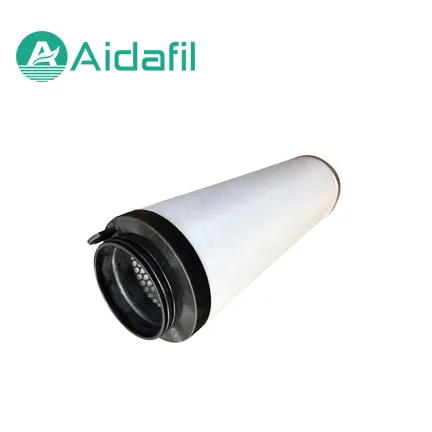
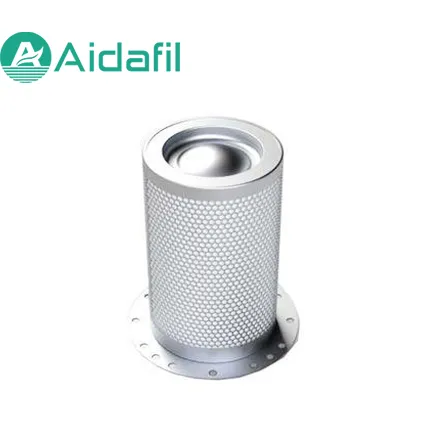
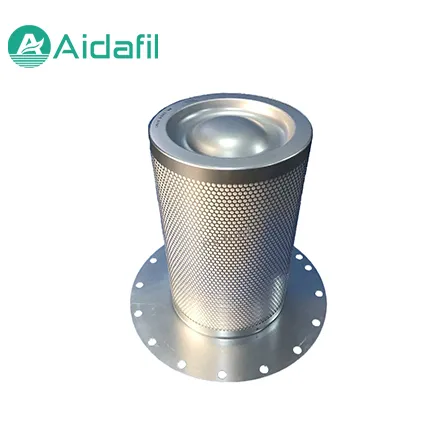
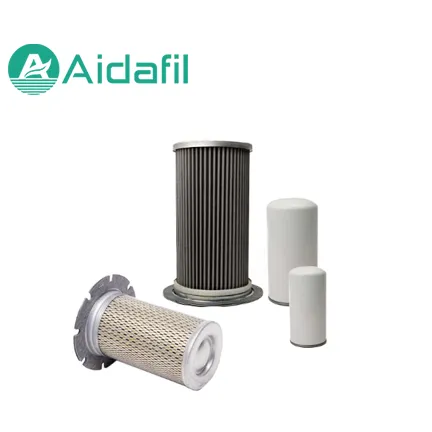
Saiba como verificar um filtro de substituição industrial, verificando o número de peça, dimensões, classificação de filtração, mídia, vedação, pressão e requisitos de instalação.
Substituição de filtro industrial parece simples quando o elemento existente tem um número de peça claro. Na prática, um único número pode referir-se a diferentes dimensões, classificações de filtração, tipos de mídia ou configurações finais. Uma substituição que parece similar do exterior pode criar problemas de instalação, contornar a contaminação ou reduzir a proteção do equipamento.
Antes de listar uma substituição, reveja as opções disponíveis noCatálogo de produtos AIDAe confirmar o tipo de filtro, dimensões e requisitos operacionais.
Esta lista de verificação fornece uma forma estruturada de verificar um filtro industrial antes de encomendar. Destina-se a equipes de manutenção, especialistas em aquisição e distribuidores que trabalham com sistemas hidráulicos, compressores, lubrificantes-óleo e filtração de processos.
Por que uma parte número sozinho não é suficiente
Um número de parte é apenas uma parte da identificação do produto. O mesmo número pode aparecer em diferentes catálogos de fornecedores com descrições diferentes. Os resultados de referência cruzada online também podem combinar várias famílias de produtos ou listar um equivalente sem confirmar todos os detalhes técnicos.
Antes de aceitar uma substituição, confirme quatro áreas:
- A função do filtro no sistema.
- O número original da peça e quaisquer alternativas verificadas.
- As dimensões físicas e detalhes da conexão.
- O desempenho de filtração e compatibilidade do material.
Uma lista de referências cruzadas é um ponto de partida, não uma confirmação final de compatibilidade.
1. Identificar a função do filtro
Filtros com formas semelhantes podem desempenhar funções diferentes. Confirmar se o elemento é usado para:
- Filtração da linha de pressão
- Filtração da linha de retorno
- Filtração por sucção
- Off-line filtration
- Compressor air filtration
- Oil separation
- Coalescing and water removal
- Process-water filtration
- High-flow cartridge filtration
The filter's location and function determine which performance characteristics matter most. A return filter may be selected for contaminant holding capacity, while a pressure filter may require greater collapse resistance. A compressor separator must be selected for oil removal rather than particle filtration alone.
Check the equipment manual, housing label, maintenance schedule and the original filter marking whenever possible.
If the filter is installed in a hydraulic circuit, review the hydraulic filter elements range and compare the element dimensions, flow direction and filtration rating before ordering.
2. Verify the part number and cross-reference
Record the part number exactly as shown on the equipment or the original element. Pay attention to:
- Spaces, dots and dashes
- Similar-looking characters
- Prefixes and suffixes
- Production or serial-number variations
- Quantity required per housing
Do not remove punctuation simply to make a search result appear. A small suffix may identify a different micron rating, seal material or connection type.
When using an online cross-reference, collect more than one source. Confirm that the listed replacement has the same intended function and technical requirements. If a listing only states “compatible” without dimensions or performance data, treat it as unverified.
3. Measure the key dimensions
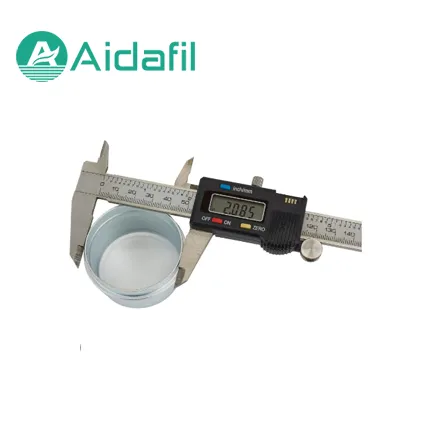
Accurate dimensions are essential, especially when the original label is missing or damaged. Measure the old element before discarding it.
Record:
- Altura total
- Diâmetro exterior
- Inside diameter
- End-cap diameter
- Connection or thread size
- Number and position of openings
- Flow direction
- Gasket or O-ring dimensions
Use calibrated measuring tools and record dimensions in both metric and imperial units where possible. A small measurement error can prevent sealing or create a bypass path.
Do not rely on product photos for dimensional confirmation. Photos are often illustrative and may show a different configuration within the same product family.
4. Match the filtration rating
Filtration ratings are not interchangeable. A filter described as 10 microns may use a different test method from another product with the same nominal description.
Where available, confirm:
- Nominal or absolute micron rating
- Beta ratio and efficiency
- Queda de pressão inicial
- Recommended terminal pressure drop
- Pressão de colapso
- Flow direction
- Fluxo nominal
A lower micron rating is not automatically better. A finer filter can reduce flow, increase pressure loss and load more quickly if the system is not designed for it. The correct rating is the one required by the equipment manufacturer and the operating application.
5. Check the filter media and fluid compatibility
The filtration medium must be suitable for the fluid, temperature and operating conditions. Common constructions include:
- Resin-impregnated paper
- Glass-fiber media
- Synthetic media
- Stainless-steel wire mesh
- Sintered metal fiber
- Sintered powder
- Pleated polymer media
Confirm compatibility with mineral oil, synthetic hydraulic fluid, lubricating oil, water, fuel, compressed air or process chemicals as applicable.
A replacement made from the correct material must also have suitable support layers, end caps and bonding. These internal details affect collapse resistance, service life and contamination control.
6. Confirm seals and operating conditions
Seal and gasket materials are often overlooked. A correctly sized filter can still leak or bypass if the seal is incompatible with the fluid or temperature.
Check the required seal material and record the operating conditions:
- Normal and maximum working pressure
- Normal and maximum temperature
- Differential pressure
- Fluid type
- Taxa de fluxo
- Start-up conditions
- Cleaning or flushing procedures
Do not assume that a standard seal is suitable for every application. Synthetic fluids, high temperatures and aggressive process media may require a different elastomer.
7. Inspect the housing and installation area
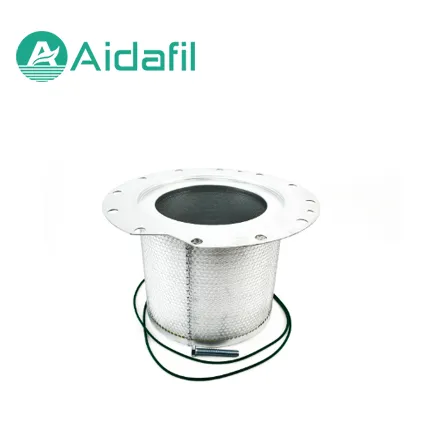
Inspect the filter housing before installing a replacement. Look for:
- Corrosion or damage
- Damaged sealing surfaces
- Incorrect or missing springs
- Broken bypass components
- Contamination in the housing
- Incorrect O-ring installation
- Obstruction in the flow path
- Missing support or retaining parts
Clean the housing according to the maintenance procedure and install the element in the correct flow direction. Tighten components to the specified torque and check for leaks after start-up.
Never force an element into the housing. If it does not seat correctly, stop and verify the dimensions, end configuration and seal.
A practical verification matrix
| Verificar | O que confirmar | Risk if not confirmed |
|---|---|---|
| Número da peça | Exact markings and verified cross-reference | Wrong product family |
| Dimensões | Height, diameters, connections and end caps | Does not fit or seal |
| Classificação de filtração | Micron rating, beta ratio and pressure drop | Poor contamination control |
| Mídia | Material and fluid compatibility | Media damage or short life |
| Seal | Elastomer, size and temperature range | Leakage or bypass |
| Pressão | Working and collapse pressure | Element collapse |
| Instalação | Flow direction and housing condition | Incorrect filtration path |
When is a replacement suitable?
A replacement may be suitable when the part number, dimensions, media, filtration rating, seals and operating requirements have been confirmed as equivalent for the application.
A visual match alone is not sufficient. A cross-reference listing alone is not sufficient. A supplier statement that a product is “compatible” should also be supported by technical details.
For critical equipment, request written confirmation of the key specifications before ordering.
Maintenance after installation
After installing a replacement filter:
- Run the system under normal conditions.
- Check for leaks and abnormal noise.
- Confirm pressure drop is within the expected range.
- Record the installation date and operating hours.
- Monitor differential pressure according to the maintenance plan.
- Replace the element when the specified terminal pressure drop is reached or when the equipment schedule requires it.
Keep the original filter marking and replacement records. Accurate maintenance history makes future identification easier.
For additional guidance on part numbers, dimensions and compatibility, review the filter selection FAQ before placing an order.
Perguntas mais frequentes
Is a matching part number enough to confirm compatibility?
No. The part number should be checked together with dimensions, filtration rating, media, seals and operating conditions.
Can I use a different micron rating?
Only when the equipment manufacturer and application requirements allow it. A different rating can change pressure drop, flow and contamination protection.
Are online cross-reference results guaranteed?
No. Cross-reference databases can help identify candidates, but the final decision should be based on verified technical data.
What should I measure before ordering?
Measure the overall height, outside diameter, inside diameter, end-cap dimensions, connection size, seal dimensions and flow direction.
Why does the same part number show different products?
Some numbers are reused across product families, markets or older versions. Always compare the technical details and the machine application.
Conclusão
A reliable filter replacement process begins with verification, not assumption. Confirm the filter's function, part number, dimensions, filtration performance and material compatibility before ordering.
This approach reduces downtime, prevents repeat purchases and protects the equipment the filter is intended to safeguard.
Need help checking a replacement? Contact our technical team with the exact part number, dimensions, fluid type and operating conditions for review.